

Each year, Parks Canada releases a limited number of reservations for campgrounds, shuttles, and select day-use areas and many of them book up fast. Think calendar open, coffee in hand, refreshing the page at 8am fast.
If you’re hoping to hike iconic trails, visit bucket-list lakes, or spend more time outdoors this summer, knowing how the reservation system works and when to act can make or break your plans.
The system itself isn’t complicated, but it is time-sensitive. Here’s how Parks Canada reservations work for the 2026 season, what you actually need to book, and how to prepare so you’re not scrambling when dates open.
Parks Canada Reservations: What You Need to Book
Parks Canada uses reservations to protect sensitive environments, manage crowds, and improve the visitor experience. The trade-off is that spontaneity can be limited during peak season, especially in popular parks.
Many high-demand experiences now require advance booking, including:
- Front-country campgrounds
- Select backcountry permits
- Shuttle access to high-traffic areas
- Day-use access for certain locations during peak periods
The takeaway is simple: planning ahead isn’t optional anymore. It’s essential.
When Do Parks Canada Reservations Open in 2026?
Reservations for the 2026 visitor season typically launch in January and early February. Each park has its own release date and time.
For example:
- Banff National Park front-country campgrounds open Thursday, February 12
- Jasper National Park front-country campgrounds open Tuesday, January 27
- Waterton Lakes National Park front- and backcountry campgrounds open Tuesday, February 3
- Mount Revelstoke National Park front- and backcountry campgrounds open Thursday, January 29
- Kootenay National Park backcountry campgrounds open Monday, January 26
- Yoho National Park backcountry campgrounds open Monday, January 26
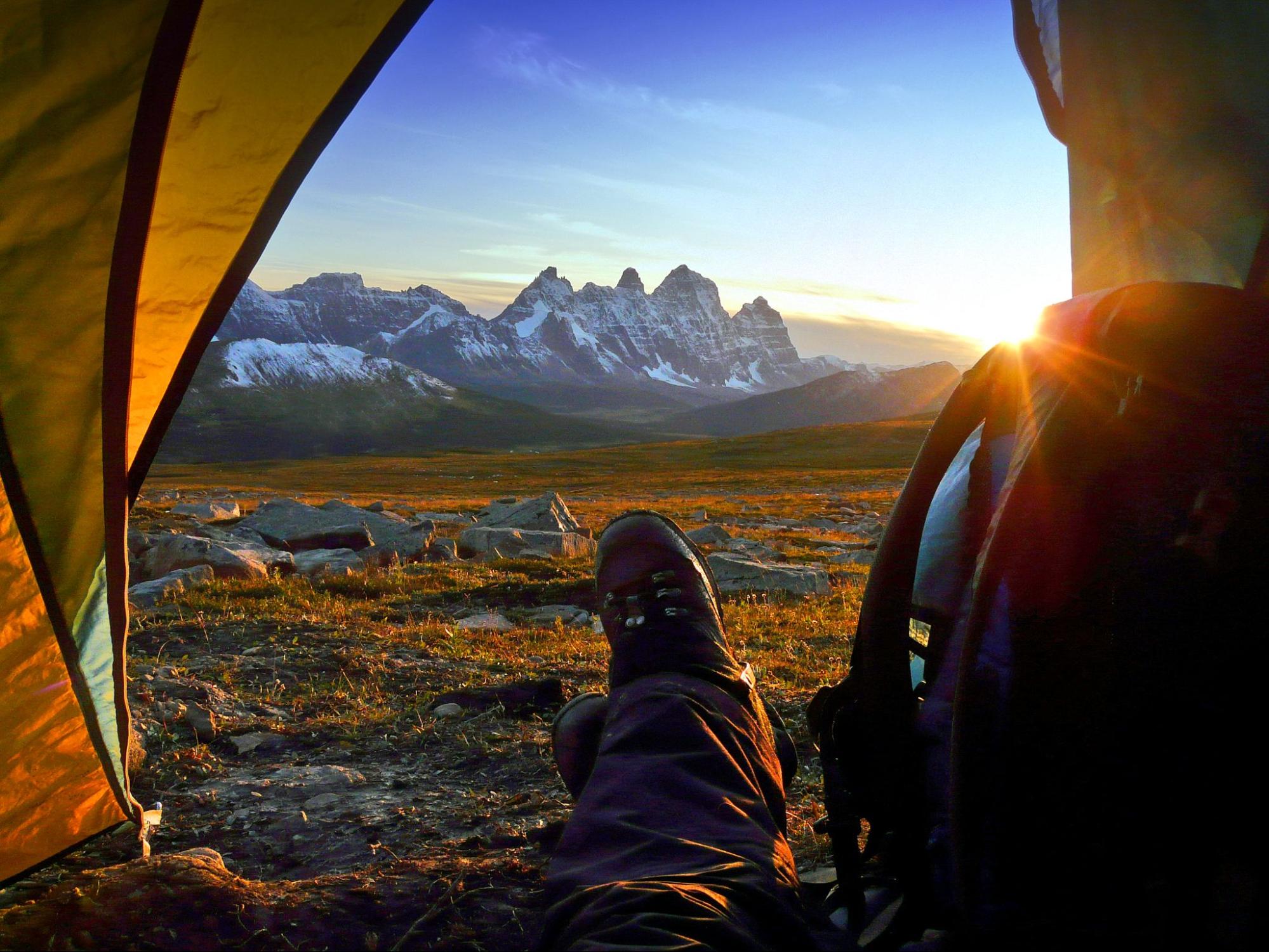
Most reservations open around 8am local time. Once the booking window opens, availability can disappear quickly, especially for weekends, long weekends, and peak July–August dates.
For the most up-to-date details, always check the Parks Canada reservation schedule directly, as dates can shift year to year.
What You Can (and Can’t) Book
While rules vary by park, here’s a general breakdown:
Usually requires booking:
- Front-country campgrounds
- Backcountry camping permits
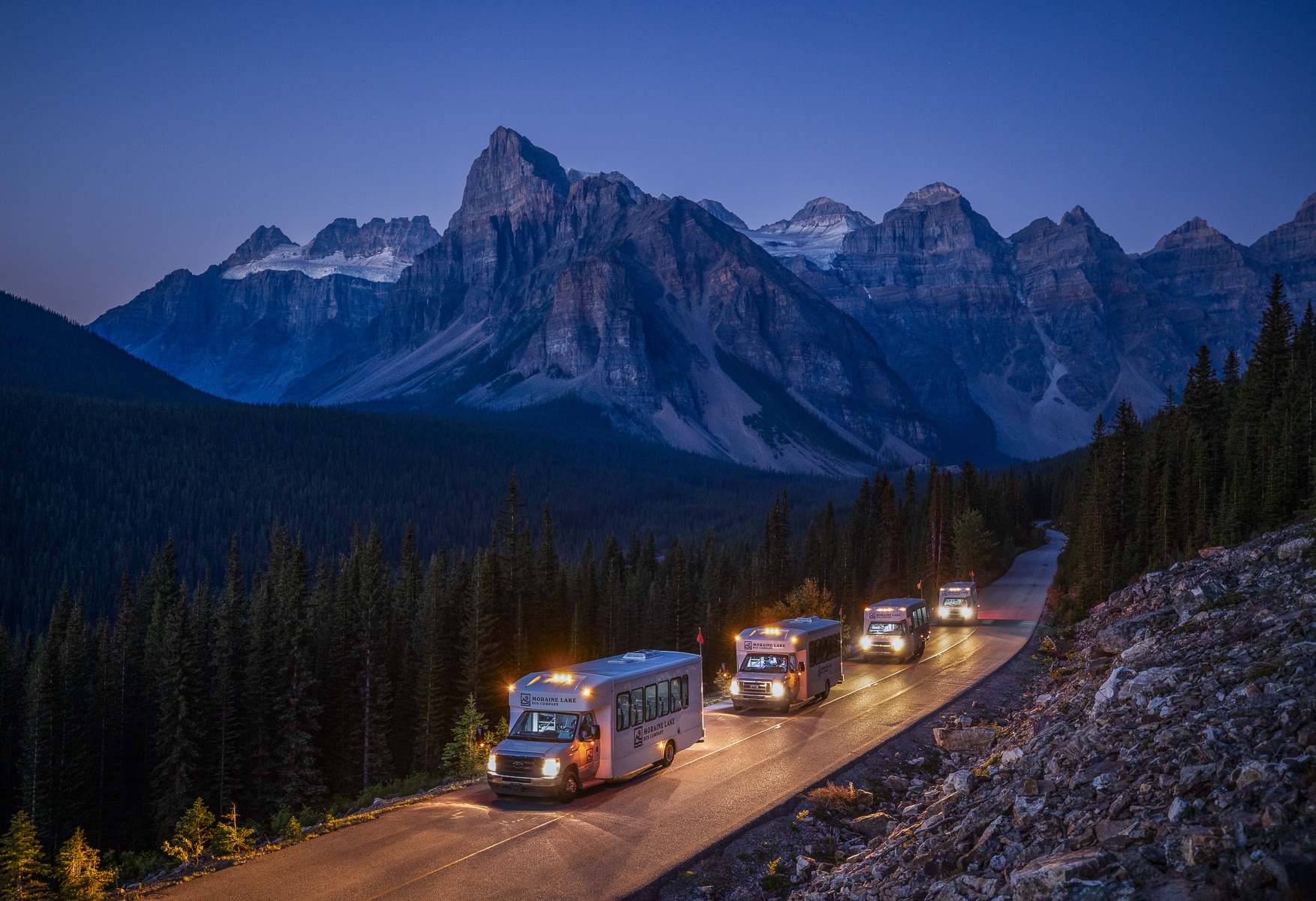
- Shuttles to high-demand areas
- Select day-use access during peak times
Often first-come, first-served (varies by location):
- Some trail access
- Smaller or less-visited areas
- Shoulder-season experiences
Always confirm requirements for the specific park you’re visiting, as policies can change from year to year.
How to Prepare for Reservation Day
A little prep goes a long way. Before reservations open:
- Create and log into your Parks Canada account in advance
- Save your payment information so you don’t lose time at checkout
- Have two or three date options ready in case your first choice sells out
- Be flexible with weekdays or shoulder-season travel if possible
- Set reminders for reservation launch dates
- Check shuttle and day-use requirements separately from camping permits
Doing this ahead of time can save you precious minutes when bookings go live.
What If You Don’t Get a Campsite?
This is where flexibility becomes your biggest advantage.
If your preferred campground is already booked, staying just outside the park can give you more freedom without sacrificing access. You can start hikes early, adjust plans around weather, and explore without the pressure of packing up camp each night.
Staying nearby also makes sense if:
- Your ideal campground is unavailable
- You’re planning a shorter stay
- You prefer a warm bed, hot shower, and a comfortable base between adventures
Where to Stay Near Banff, Lake Louise, Jasper, and Revelstoke
Staying in Canmore places you between Banff National Park and Kananaskis Country, with quick access to trailheads, lakes, and scenic drives, without competing for campsite reservations. Basecamp Resorts Canmore and Basecamp Suites Canmore offer an easy, flexible base for exploring the region.
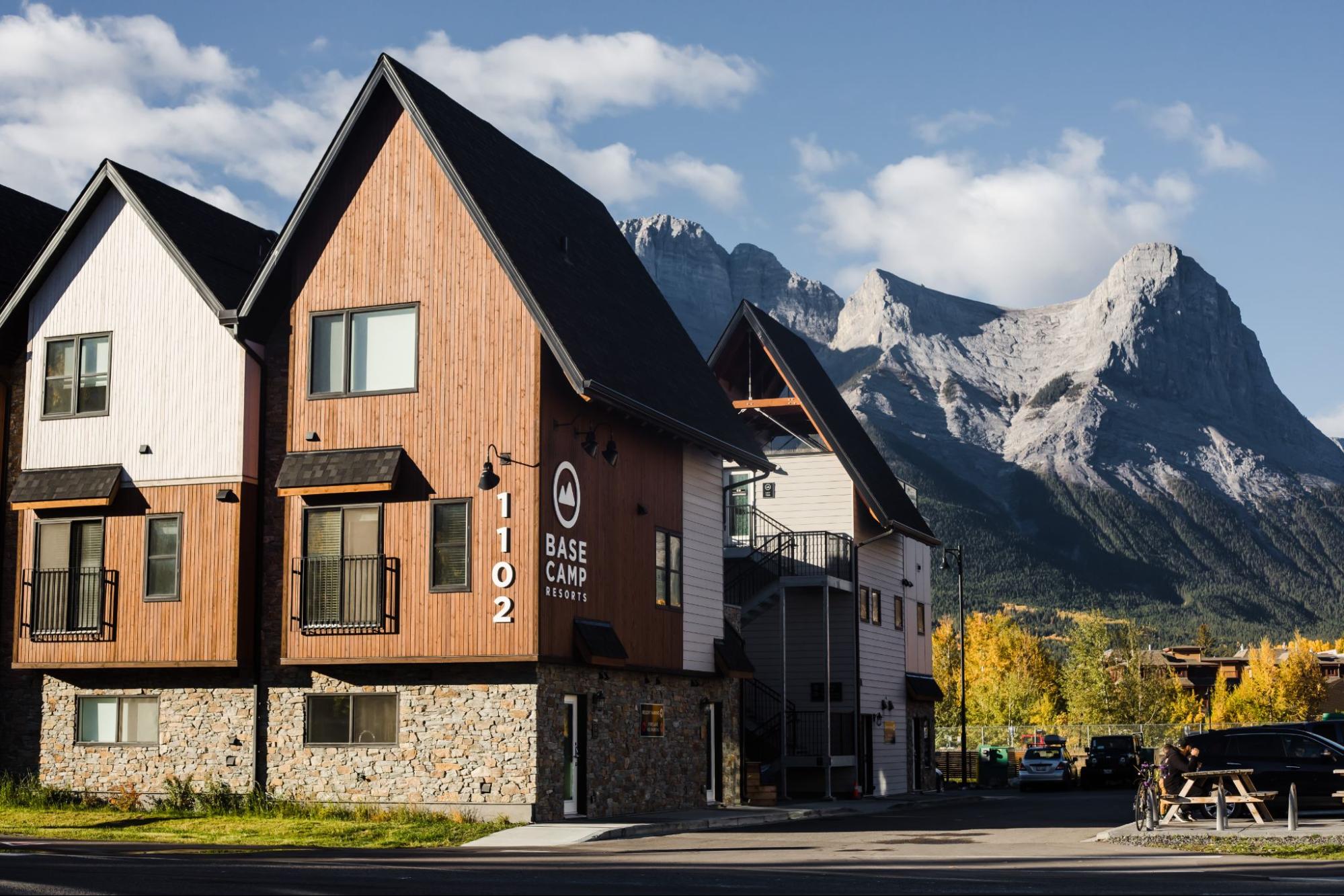
If your plans center on Lake Louise or Banff National Park, Baker Creek by Basecamp and Basecamp Suites Banff provide a quieter launch point for early-morning hikes and iconic alpine routes.
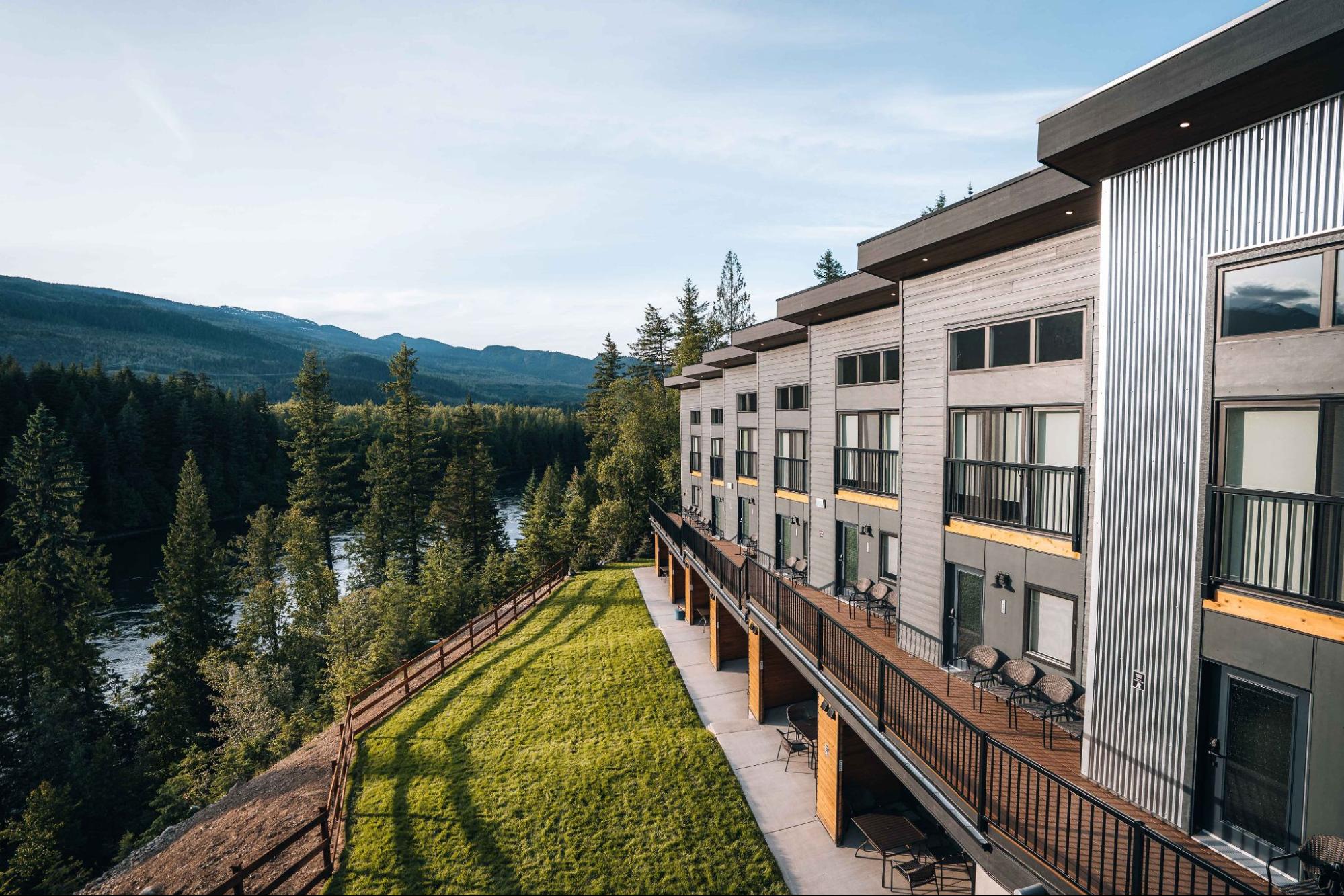
For trips that include Mount Revelstoke National Park and the Columbia Mountains, Basecamp Resorts Revelstoke and Basecamp Suites Revelstoke are located right on the edge of the park, making access simple and stress-free.
Make Basecamp Your Base This Summer
Parks Canada reservations can feel overwhelming, but they don’t have to derail your plans.
By planning ahead and securing accommodations early, you can focus on what actually matters: time outside, unhurried days, and memorable moments in the mountains.
A little planning now means fewer compromises later.