


But some of the most memorable moments on a Rockies road trip happen in between the famous stuff. The lake pullout you spotted from the highway. The 45-minute hike that gave you a summit view without the summit effort. The quiet viewpoint where a train curved through the valley just as you arrived.
This 4-day itinerary covers Canmore to Lake Louise with all the big stops — plus the hidden gems, underrated short hikes, and scenic turnouts that make the drive feel like an adventure, not just a commute between landmarks.
Day 1: Start Slow in Canmore
If you’re driving from Calgary, it can be tempting to head straight to Banff. But Canmore is one of the best places to ease into a road trip through the Canadian Rockies..
Start with an easy walk along Policeman’s Creek Boardwalk, right from downtown Canmore. It’s short, scenic, and low-effort, with creek views, wetlands, mountain backdrops, and easy access to shops, cafés, and restaurants. It’s a great first stop if you’ve just arrived and want to stretch your legs.
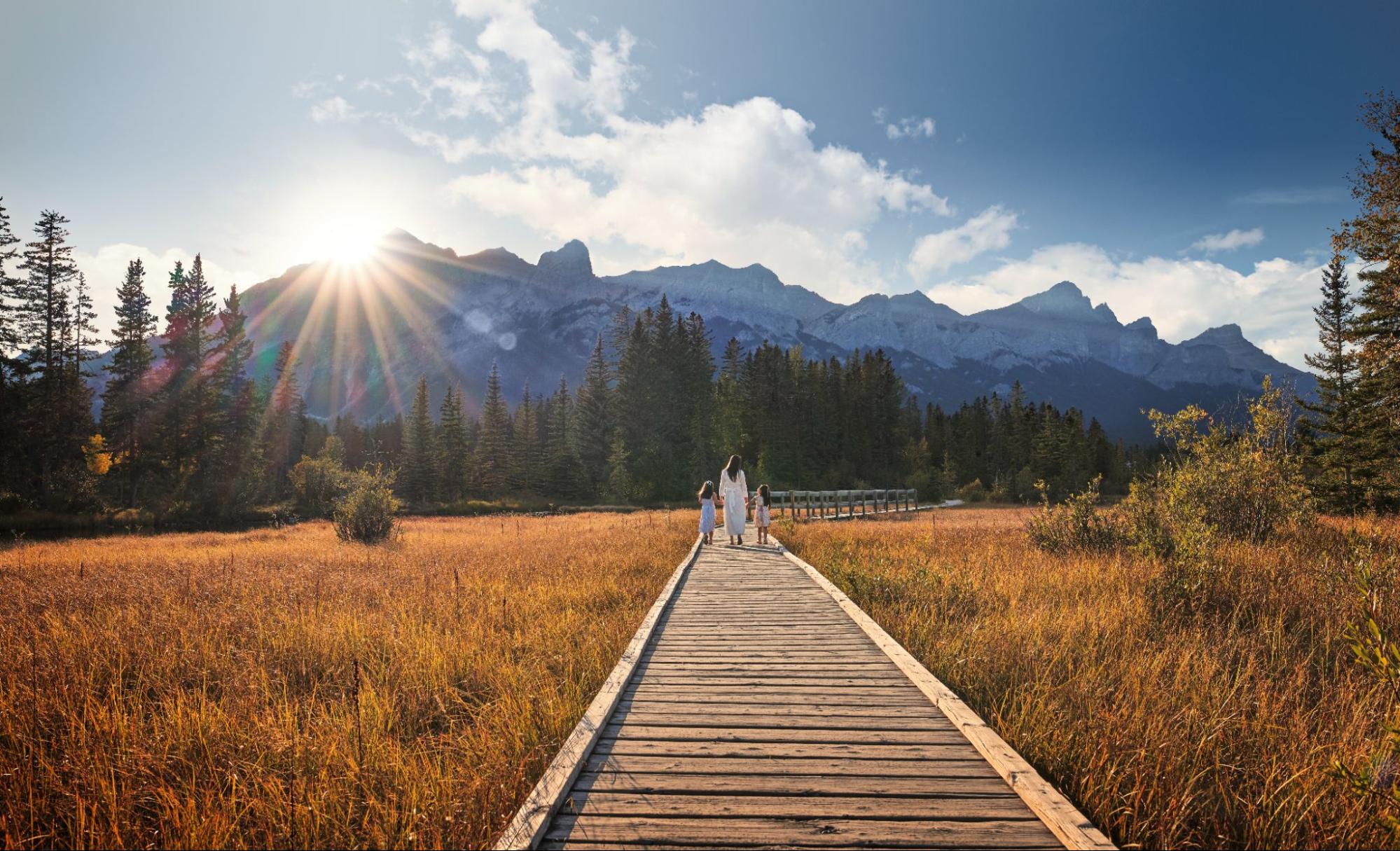
From there, make time for a Three Sisters viewpoint. You don’t need a long trail to get one of Canmore’s most iconic mountain views. The peaks can be seen from several spots around town, but sunrise or golden hour makes it feel like a proper stop before dinner, after check-in, or on your way out for the day.
If conditions allow, add Grassi Lakes. It’s one of the area’s most loved short hikes, with bright blue-green lakes, forested paths, and big mountain views. In spring, check trail conditions before you go, as snow, ice, mud, and seasonal maintenance can all affect the route.
A recommended hike you can’t miss out on in Canmore is Ha Ling Peak Trail viewpoint at sunset or sunrise. You don’t have to hike to the summit to get a reward here. Even 10–15 minutes up the Ha Ling trail gives you a sweeping look back over Canmore and the Bow Valley. Head up in the early evening for golden light over the town, make sure to prepare for hiking down in the dark. Pack a headlamp, layers, and some extra water and snacks. Always be sure to check trail conditions and recent reviews before heading out.
Distance: 7.8 km return | Elevation: 810 m | Time: 3–5h | Difficulty: Moderate to challenging
Where to Stay in Canmore
Basecamp Resorts Canmore puts you right in the heart of town — walking distance to the boardwalk, great restaurants, and a short drive from Grassi Lakes. It’s the perfect first-night base before the bigger days ahead.
Day 2: Banff Viewpoints Without Rushing
Banff can feel busy even in shoulder season, so the best way to explore is to break the day into smaller stops instead of trying to do everything at once. The Banff Gondola offers a scenic ride to the summit of Sulphur Mountain, where visitors can explore viewing decks and hiking trails. The breathtaking views and ever-changing weather add to the experience, while the restaurant at the top provides delicious dining options.
Starting with a sunrise hike at Tunnel Mountain Summit Trail, this is one of Banff’s best short hikes – it’s accessible, rewarding, and genuinely spectacular at sunrise. The summit gives you 360-degree views over the Banff townsite, Bow Valley, Cascade Mountain, and the Fairmont Banff Springs. You’ll likely have it mostly to yourself in the early morning.
Distance: 4.5 km return | Elevation: 260 m | Time: 1.5-2h | Difficulty: Easy
Surprise Corner, one of those viewpoints that feels almost too easy for how good the view is. From here, you’ll see the Fairmont Banff Springs framed by forest, cliffs, and the Bow River Valley. It’s a quick stop, but a memorable one for first-time visitors.
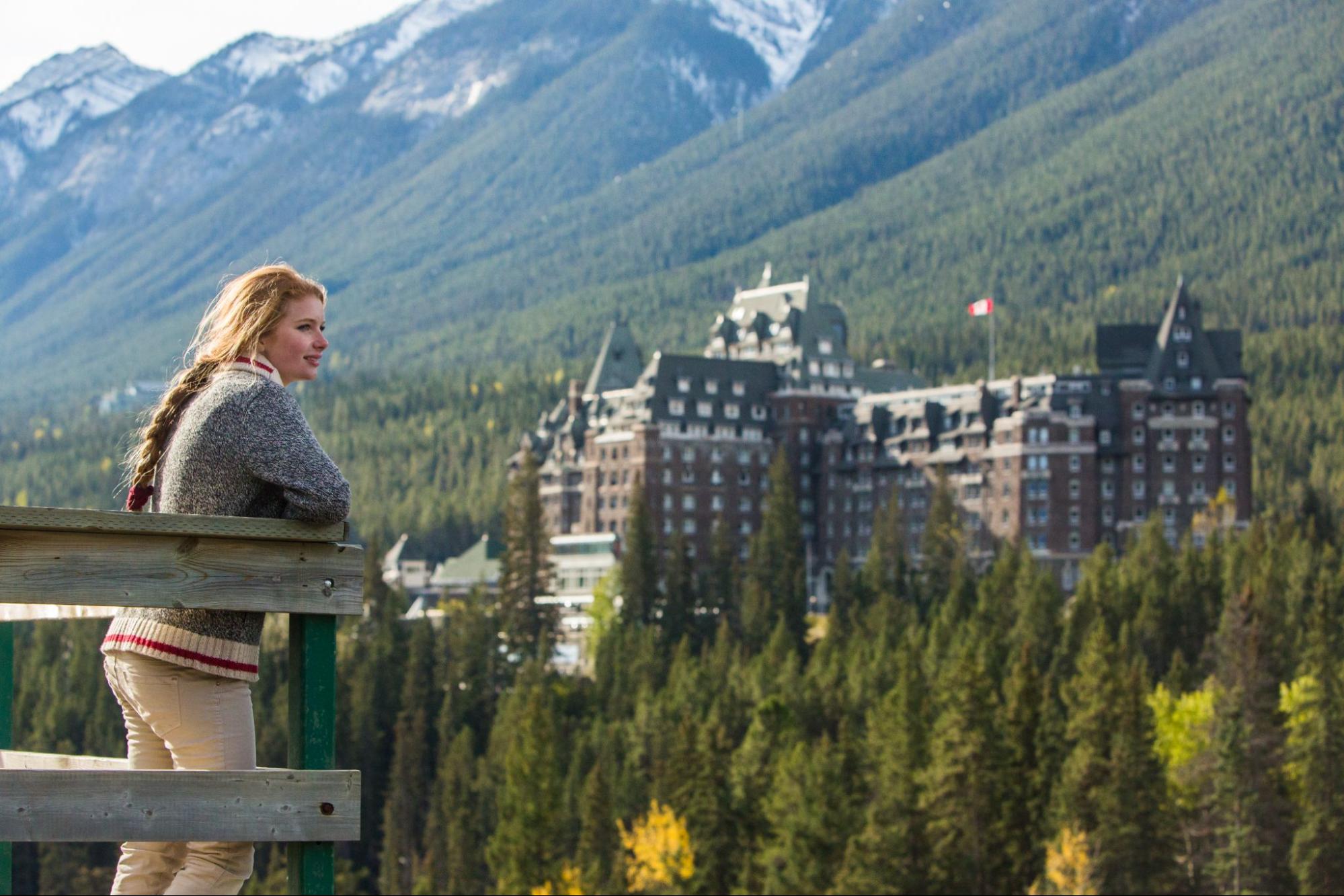
Continue toward the Hoodoos Viewpoint for open valley views, unique rock formations, and a slightly quieter pace beyond downtown Banff. It’s especially nice in spring and summer because you still get big mountain scenery without higher-elevation terrain.
Between lunch, shopping, or exploring Banff Avenue, stop at Bow Falls. It’s close to town, easy to access, and gives you a quick dose of nature. In spring, the river can feel especially powerful as the season starts to shift.
End the day at Vermilion Lakes, one of the best places near Banff for sunset, reflection photos, and a slower evening drive. Bring a warm layer, as evenings cool down quickly in the mountains.
Where to Stay in Banff National Park
Basecamp Suites Banff is downtown and central to everything. On Day 2, it’s close enough to Tunnel Mountain for an early start, and minutes from Vermilion Lakes for sunset. Plus, have access to a rooftop hot tub to relax and rest your tired legs.
Day 3: Lakes, Scenic Roads, and Worth-It Detours
This is the day to build your itinerary around the drive itself. Instead of treating the road as a way to get from one major attraction to another, give yourself time to stop.
Begin with Cascade Ponds, an easy scenic stop near Banff that works well for a picnic, short walk, or quiet morning moment. It’s a good alternative if you want water and mountain views without one of the busier lake stops.
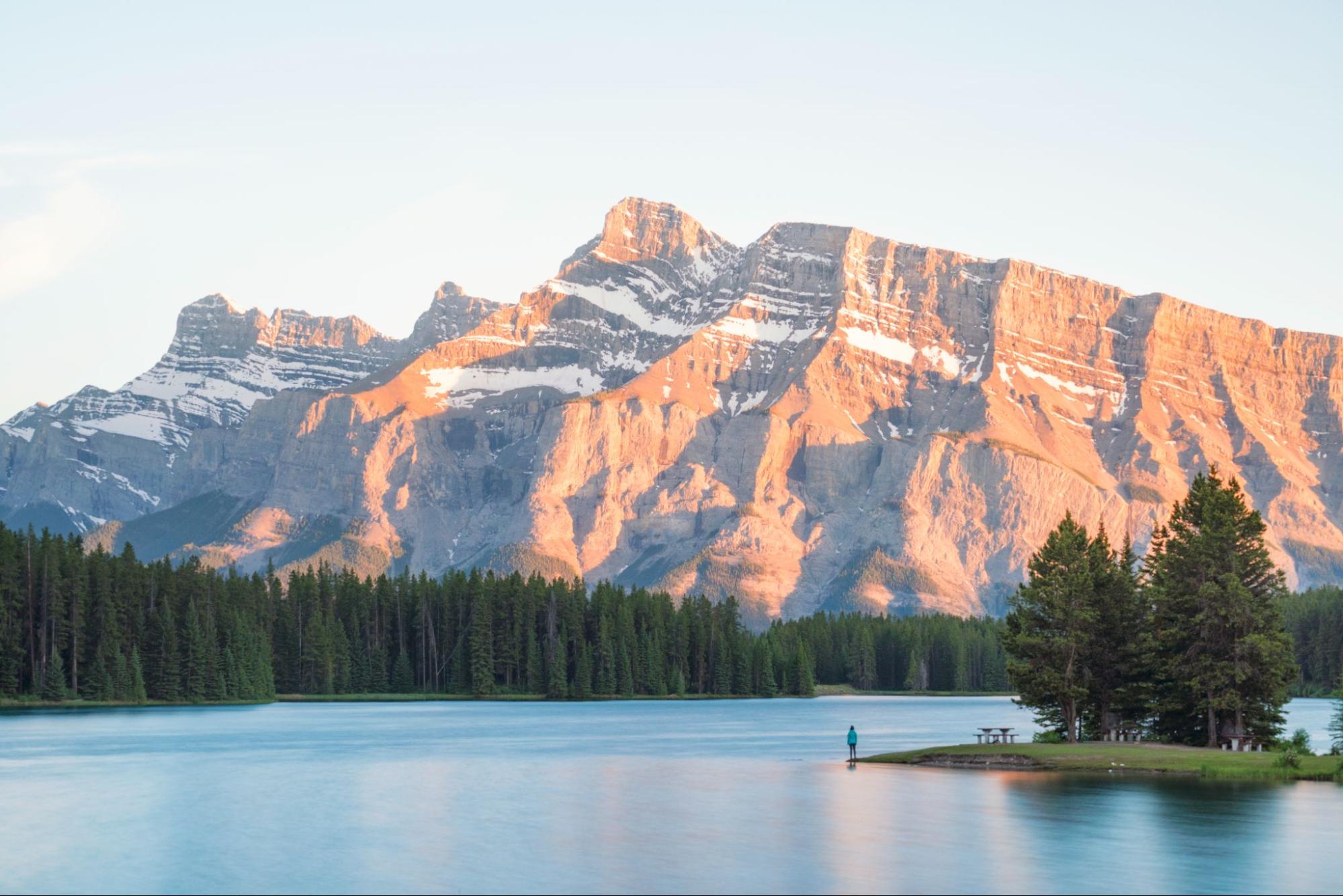
From there, continue toward Two Jack Lake and Lake Minnewanka. Both are easy additions to a Canadian Rockies road trip, with space to stop for photos, walk along the shoreline, or simply take in the view before continuing your drive. Lake Minnewanka is the longest lake in the Canadian Rockies at 28 kilometres. The shoreline trail is flat, scenic, and easy — walk as far as you like.
While you’re in the area, consider adding Silverton Falls. Tucked near Castle Junction along the Bow Valley Parkway, this short forested hike feels like a quieter alternative to some of the park’s busier canyon trails. The route starts gently before climbing through a few steeper sections, eventually leading to a waterfall that feels surprisingly dramatic for such a short stop.
It’s a good option if you want to stretch your legs without building your whole day around one hike. As always in spring and early summer, check current trail conditions before you go, wear proper footwear, and turn back if the route feels too wet, icy, or unstable. To Silverton Falls: ~2 km return
Day 4: Lake Louise, With Time for the Stops Around It
Lake Louise is a must-see, but the drive there has a few smaller stops that can make the day feel less rushed.
Next, take your time on the Bow Valley Parkway. It’s one of the most beautiful scenic drives in Banff National Park, moving slower than the highway with forested stretches, viewpoints, wildlife areas, and classic mountain scenery. Easy to miss and almost always quiet, the Castle Junction area along the Bow Valley Parkway has some of the most dramatic cliff-face scenery in the park. Pull over, look up, and take five minutes you’ll be glad you took.
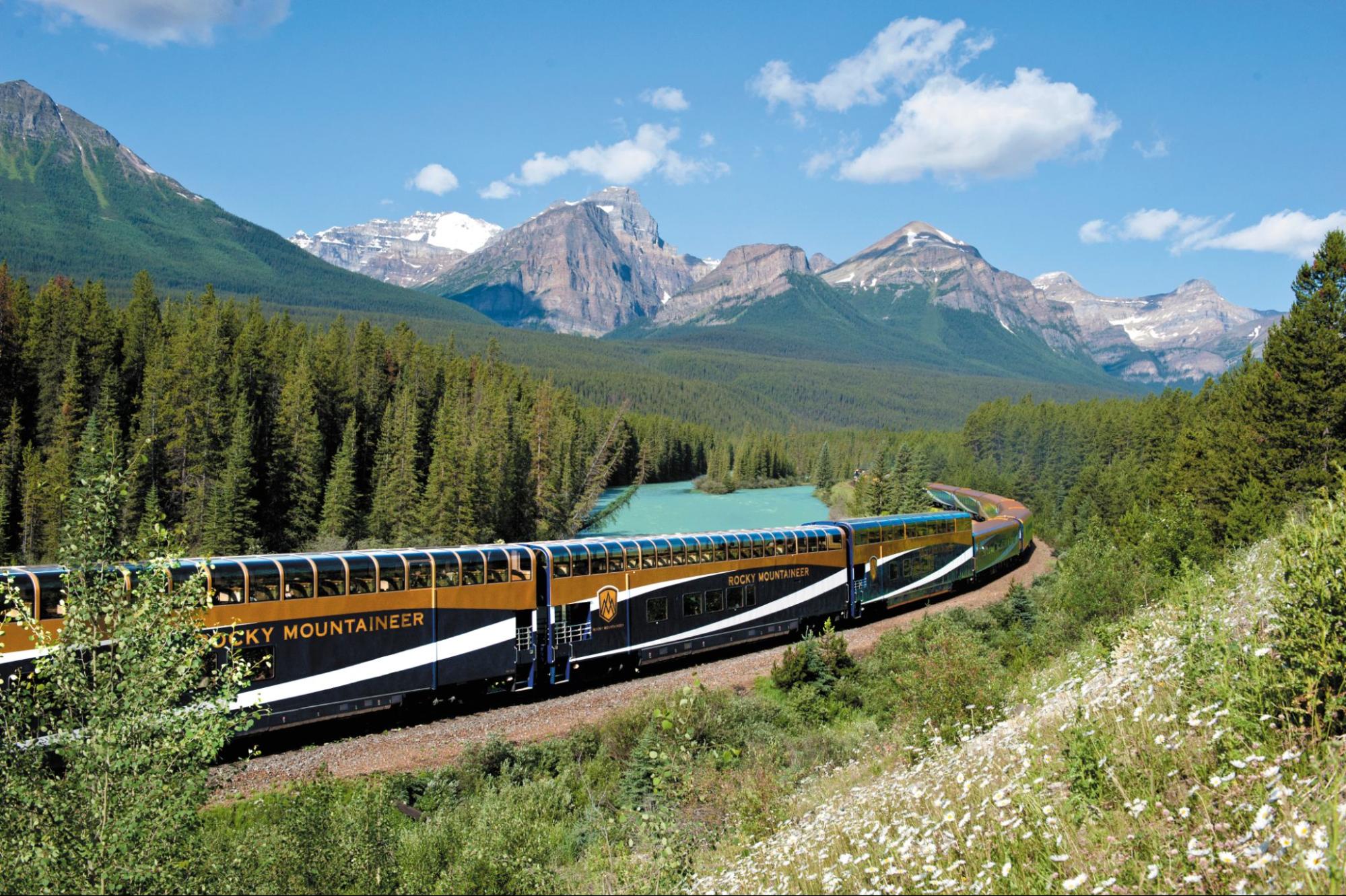
Pause at Morant’s Curve, a classic viewpoint along the Bow Valley Parkway where the train tracks curve beneath the mountains. If a train comes through while you’re there, it’s one of the most iconic scenes in the Rockies. Even without one, it’s still a beautiful place to slow down for a few minutes.
Then spend time at the Lake Louise lakeshore. In spring, the lake may still be frozen or partially thawed, giving it a completely different feel than the bright turquoise version many visitors expect in summer. Walk part of the lakeshore trail, take in the view, and enjoy the season you’re actually in.
One of the best short-to-moderate hikes in the Canadian Rockies is the Lake Agnes Tea House Trail, and it starts right from the Lake Louise lakeshore. The trail climbs steadily through forest to Mirror Lake and then Lake Agnes — a stunning alpine lake with a historic tea house that’s been serving hikers since 1905. The views back down to Lake Louise and across the valley are genuinely spectacular.
Distance: ~7.4 km return | Elevation gain: ~385 m | Time: 2.5–3.5 hours | Difficulty: Moderate
If you’re continuing toward the Icefields Parkway, add Herbert Lake before turning back or carrying on. It’s peaceful, easy to access, and often overlooked, which makes it worth the stop.
Where to Stay in Lake Louise
End your road trip at Baker Creek by Basecamp — steps from the trailheads and perfectly positioned for an early morning at the lake before the crowds arrive.
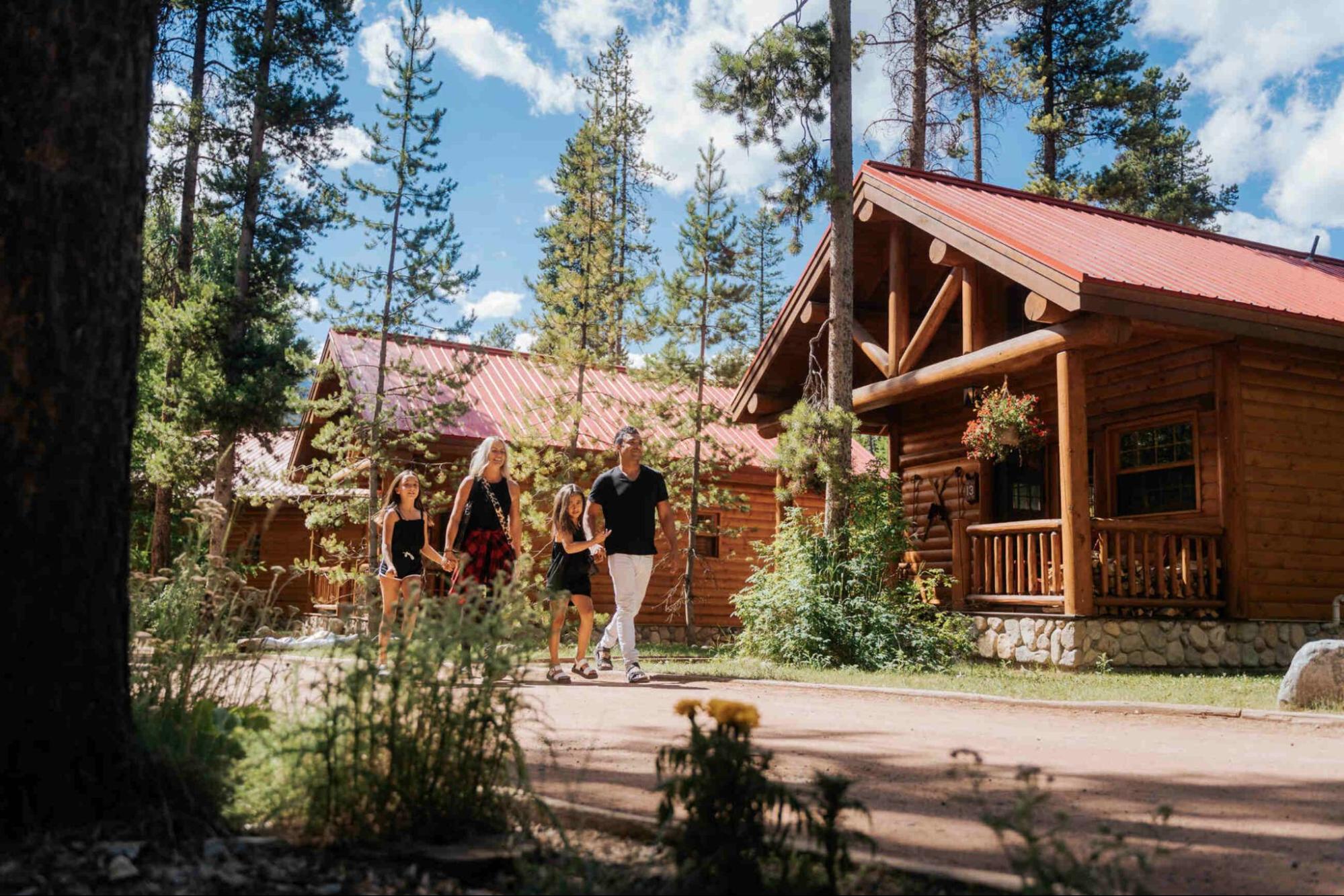
Tips for a Rockies Road Trip
Spring and summer in the Rockies is beautiful, but unpredictable. You may get sunshine, snow, mud, frozen lakes, dry viewpoints, and patio weather all in the same trip.
Before you go, check current trail and road conditions, pack layers, wear proper footwear, and keep your itinerary flexible. Lower-elevation viewpoints, lakeside walks, and townsite trails are often the best choices earlier in the season. Most importantly, leave room for the stops you didn’t plan. In the Rockies, the in-between moments are often the ones you remember most.
Where to Eat Along the Way
A good Rockies road trip isn’t just about the viewpoints and hikes. It’s also about where you stop for coffee before the drive, where you land for dinner after a day outside, and the places that make the trip feel a little more local.

If you’re planning your route through Canmore, Banff, Lake Louise, or Revelstoke, take some time to map out a few food stops too. From casual post-hike meals to mountain-town restaurants worth building into your evening, our Where to Eat in the Mountains guide can help you plan where to refuel along the way.
Where to Stay on Your Rockies Road Trip
The best Rockies road trip is not just about how much you can fit into a day. It’s about choosing a good base, giving yourself room to explore, and making the drive part of the experience.
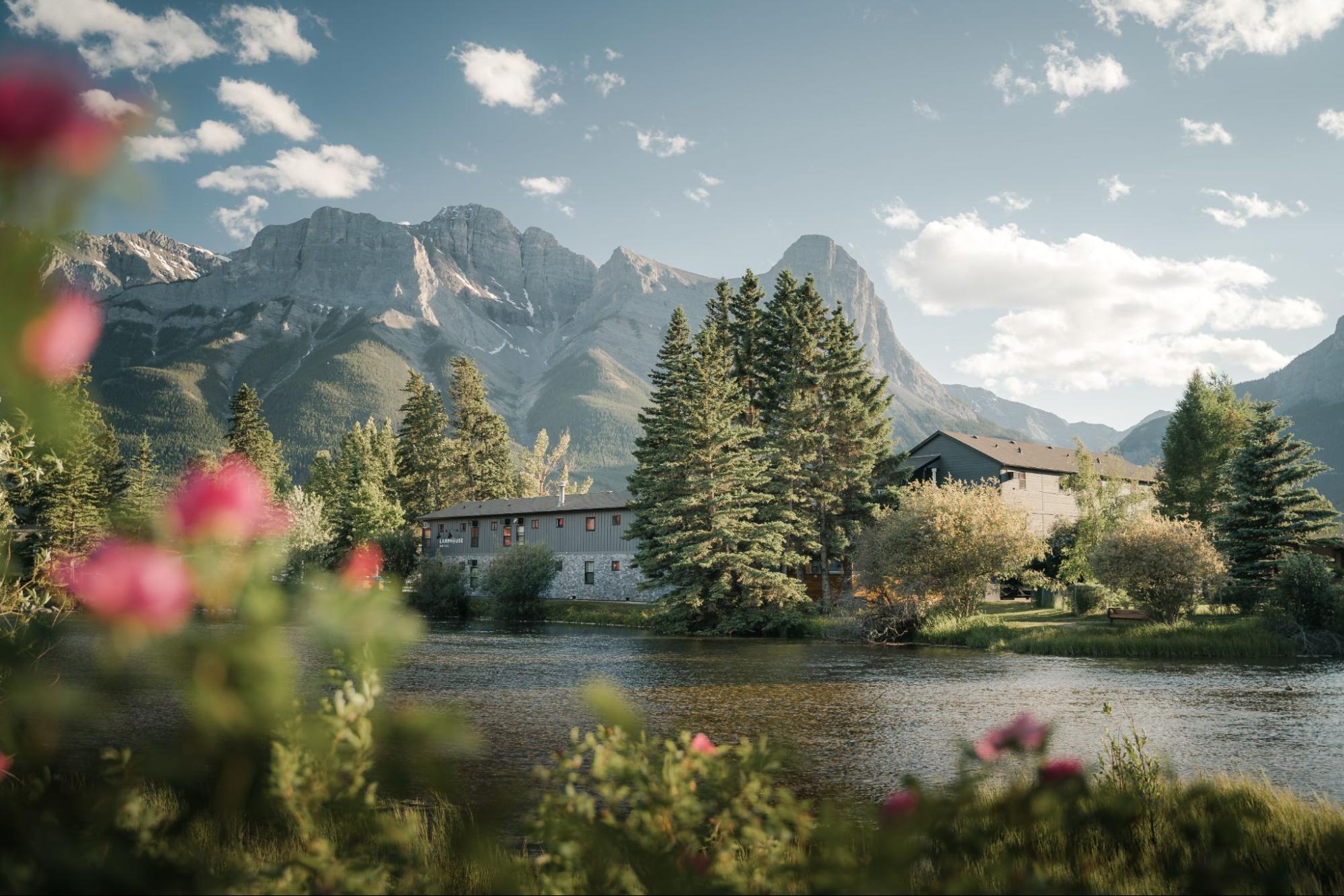
Basecamp Resorts has stays across Canmore, Kananaskis, Banff, Lake Louise, and beyond, making it easy to build your itinerary around the places you actually want to see.
Wherever your trip takes you, your Basecamp is where the adventure begins.