


Through Basecamp Resorts’ partnership with Yellowstone to Yukon Conservation Initiative, that experience isn’t left to chance. It’s being actively protected, so it’s still here for generations to come.
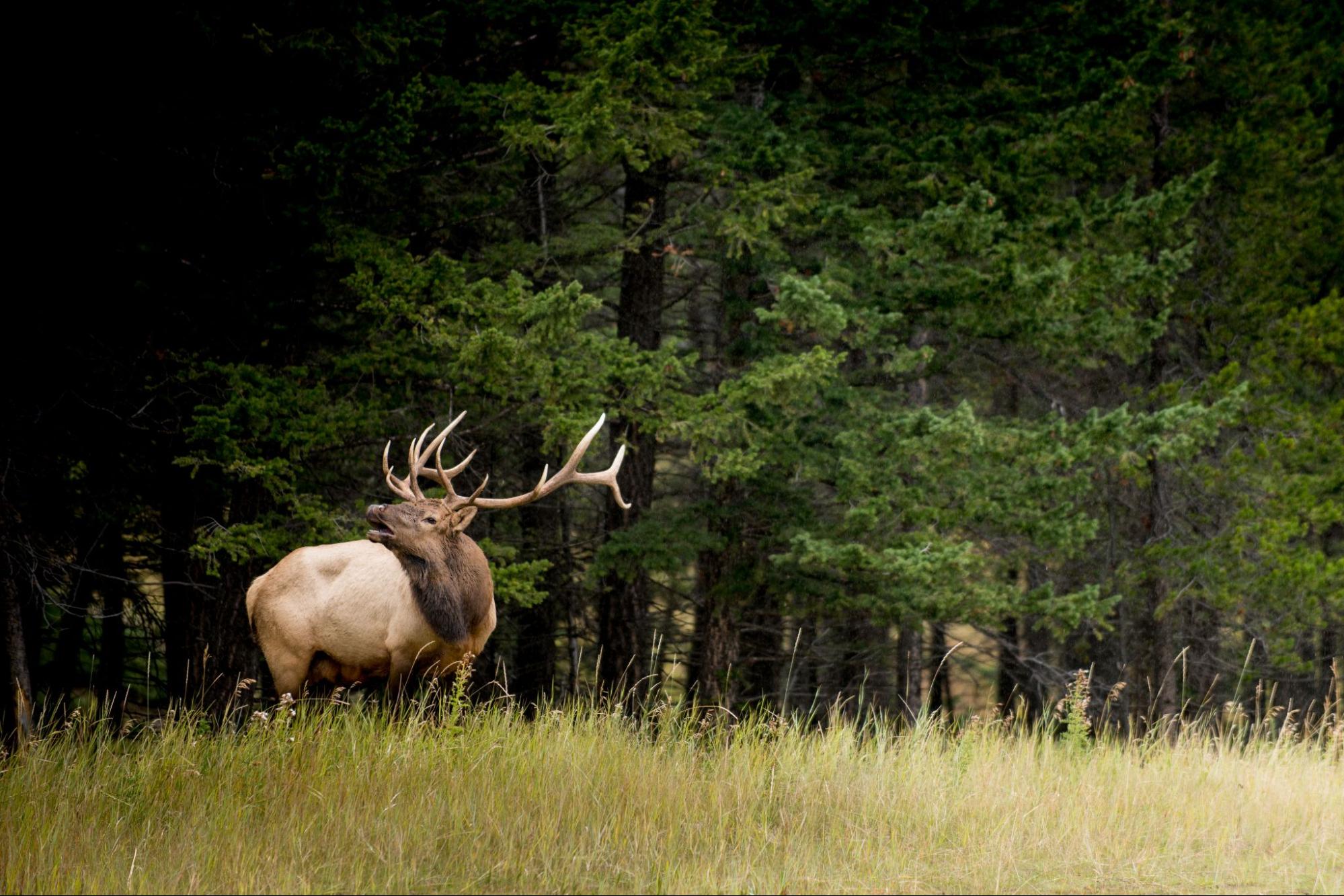
Wildlife moves through these valleys long after the day ends; grizzly bears cover ground in search of food, elk and deer follow seasonal migration routes that have existed for generations. These paths don’t stop at park boundaries or highways. They cross valleys, forests, and ridgelines, forming a network that species rely on to survive.
At the same time, ecosystems are constantly adjusting to changing temperatures, shifting snowpack, and the growing footprint of human activity. These landscapes don’t stay this way on their own. They require protection, coordination, and long-term planning.
That’s where this partnership begins.
Why This Partnership Matters
The landscapes that define a stay with Basecamp Resorts; wide valleys, dense forests, uninterrupted mountain views, are part of something much bigger.
They’re part of one of the most important conservation regions in the world. This Yellowstone to Yukon partnership helps ensure these landscapes remain connected, resilient, and able to support wildlife long-term.
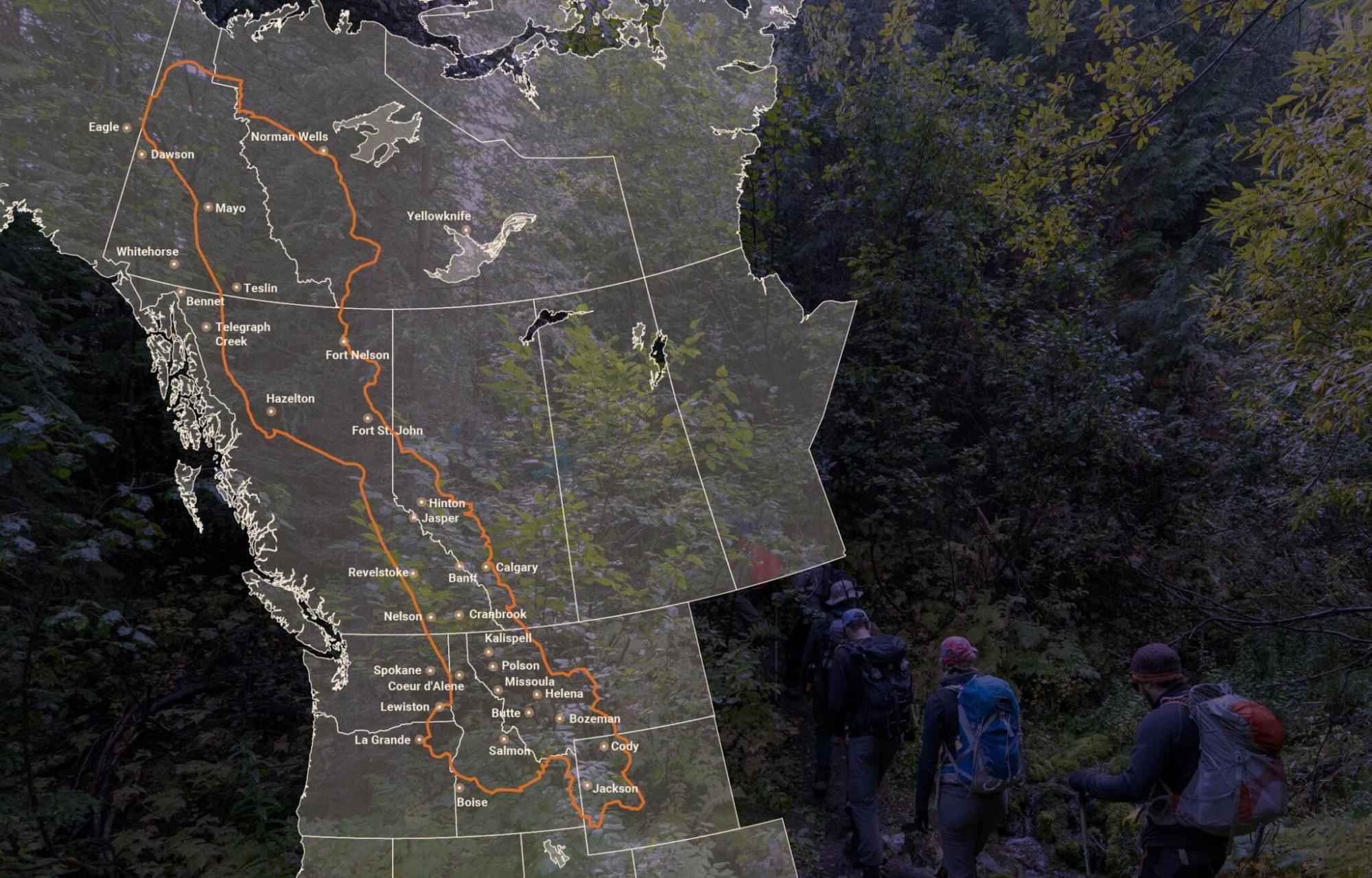
That’s why we’re proud to partner with Yellowstone to Yukon Conservation Initiative (Y2Y), an organization working to protect and connect wildlife habitat across a 3,200-kilometre region stretching from Yellowstone National Park to the Yukon.
Their focus is simple, but critical: keep landscapes connected so wildlife and ecosystems can continue to thrive.
What Y2Y Does (and Why It’s Important)
Wildlife doesn’t recognize park boundaries, highways, or human development.
Species like grizzly bears, wolves, elk, and wolverines rely on large, connected landscapes to migrate, find food, and adapt to seasonal and climate shifts. Without that connectivity, populations become isolated, movement is restricted, and long-term survival becomes more difficult.
This is where Yellowstone to Yukon Conservation Initiative focuses its work, protecting connectivity at the scale wildlife actually needs.
Across a 3,200-kilometre region, Y2Y works to keep landscapes connected at a scale that matches the rhythms of how wildlife moves.
Their work includes:
- Protecting and restoring wildlife corridors so animals can safely move between habitats
- Reducing human-wildlife conflict through education, community programs, and coexistence tools
- Advancing conservation policy that protects critical habitat across borders
- Supporting Indigenous leadership and partnerships in long-term stewardship
- Collaborating with governments, landowners, and conservation groups to drive action
This is not small-scale conservation. It’s coordinated, cross-border work that connects protected areas, strengthens ecosystems, and helps wildlife adapt in a changing environment.
It’s what ensures the Rockies remain not just beautiful, but fully functioning landscapes for generations to come.
2025 Impact: What This Work Looks Like on the Ground
As part of this partnership, Basecamp Resorts supports Y2Y’s ongoing conservation efforts.
In 2025, that support contributed to real, on-the-ground impact:
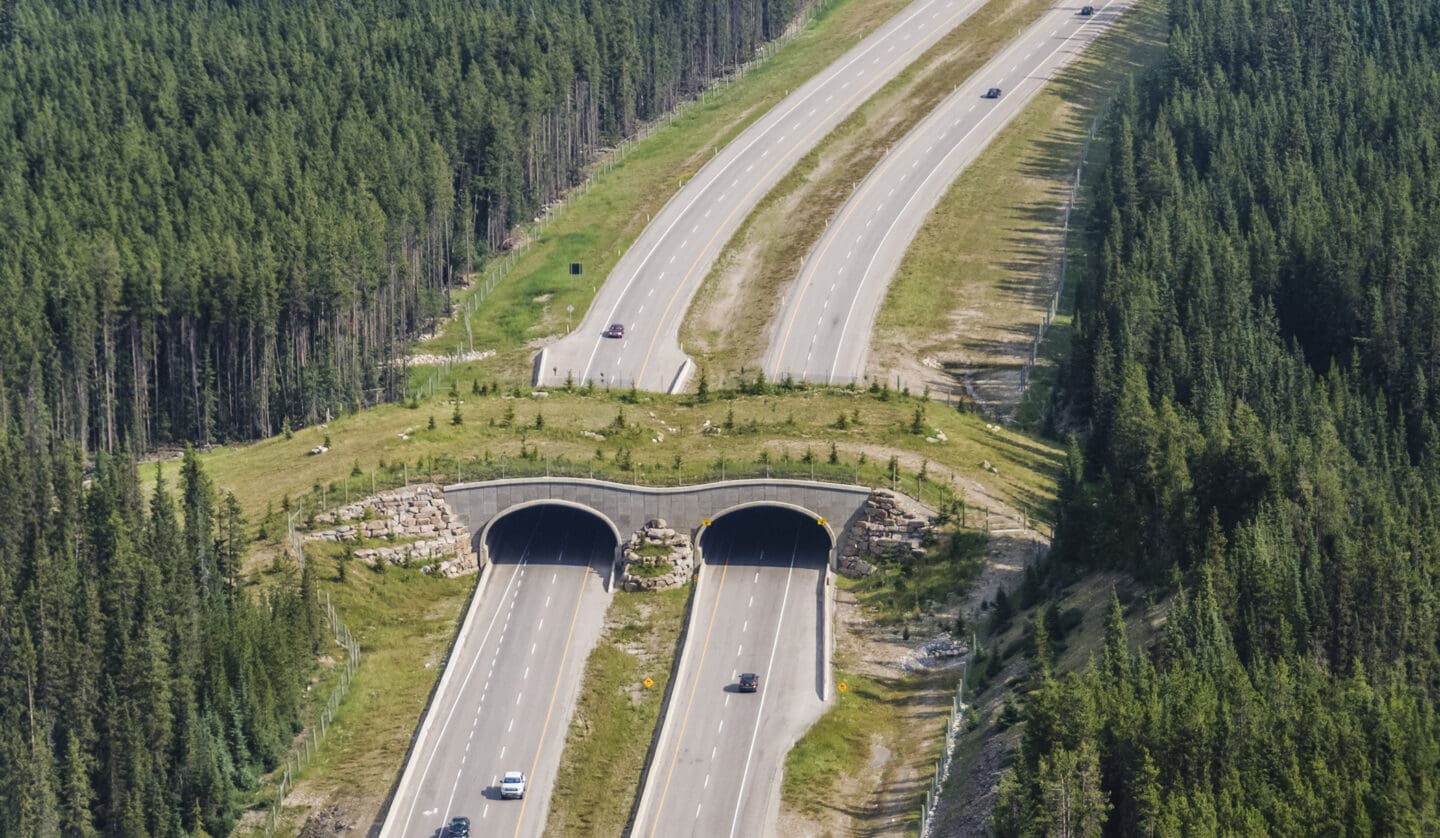
- 204 wildlife crossings across the region, reducing collisions by up to 96% in high-traffic areas like Banff National Park
- ~10 million hectares protected, including Indigenous-led conservation areas in B.C. and a 45,000-hectare project in the Elk Valley
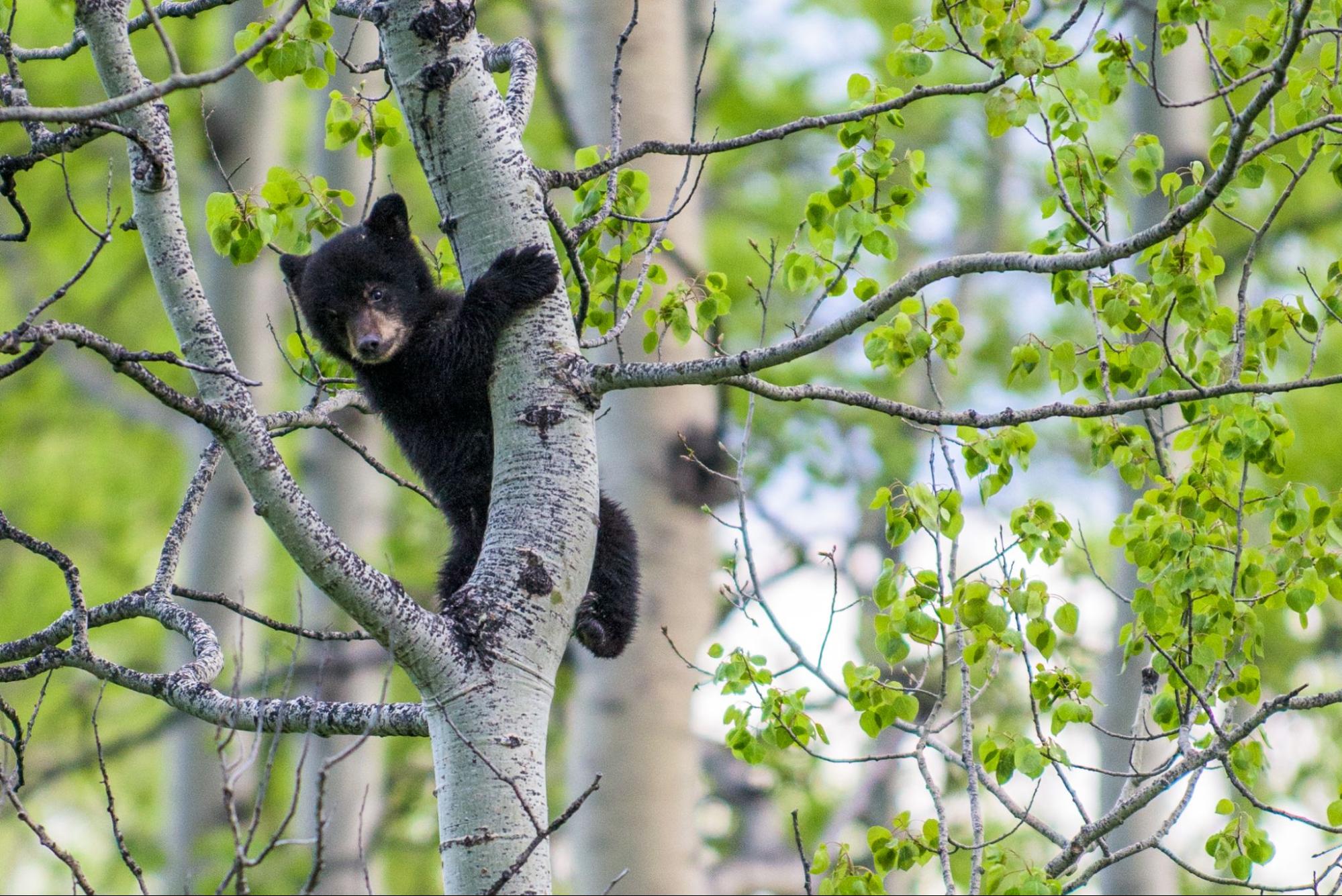
- Creston Valley initiatives helping communities and grizzly bears coexist more safely
These results represent meaningful progress in keeping landscapes connected, reducing pressure on wildlife, and protecting critical habitat across the Rockies.
This work is long-term by nature, requiring coordination across regions, sustained investment, and a commitment to doing things the right way.
Why It’s Important to Basecamp
Our properties are built around access to the outdoors, but that access depends on these ecosystems staying intact. Explore our locations to see how each property connects you directly to these landscapes.
The trails you walk, the wildlife that you might catch a glimpse of at dusk, the quiet moments by the river, none of it exists in isolation. It’s all part of a connected system that needs space to function properly.
Supporting organizations like Yellowstone to Yukon Conservation Initiative means contributing to that system in a meaningful way.
It allows us to:
- Protect the landscapes our guests come to experience
- Support biodiversity across the Rockies
- Maintain the integrity of the places we operate in
- Be part of long-term conservation efforts
This isn’t separate from the Basecamp experience; it’s what makes it possible.
What This Means for Your Stay
When you stay with Basecamp, you’re helping support the work that protects these landscapes. Through our Yellowstone to Yukon partnership, your stay contributes directly to conservation efforts, with 1% of all revenue being donated to important organizations like this.
Whether you’re in Banff, Canmore, Revelstoke, or Kananaskis, the landscapes you explore, trails, wildlife, and open valleys all depend on healthy, connected ecosystems.
From protecting wildlife corridors through Yellowstone to Yukon Conservation Initiative, to supporting reforestation with veritree, to advancing climate advocacy through Protect Our Winters Canada, this work helps protect the environments that define a stay in the Rockies.
It’s a more intentional approach to travel, one that supports the places it depends on so they remain just as impactful in the long term.
Plan your stay in the Rockies and be part of protecting one of the world’s last great wild frontiers. Stay informed, subscribe for news, stories, and science shaping the future of this region.
The Bigger Picture: Our Environmental Partners
This partnership builds on a broader commitment to protecting the places our guests come to experience.
Alongside partners like Protect Our Winters Canada and veritree, we’re supporting conservation across climate advocacy and ecosystem restoration, from protecting winter environments to restoring critical habitat.
To date, that includes helping refer 1,700 members to POW Canada, and contributing to the planting of 7,000 trees and 4,700 kelp, supporting both forest and coastal ecosystems.