


Banff and Canmore put you close to lakes suited to nearly every kind of mountain day. You can rent a canoe beneath towering peaks, find a family-friendly swimming spot, take an easy shoreline walk or pack a picnic for somewhere quieter.
The best choice depends on how you want to spend your day. Lake Louise and Moraine Lake deliver the iconic views, while Johnson Lake and Quarry Lake are better options for swimming. Two Jack Lake is a favourite for relaxed paddling, and Herbert Lake offers a scenic stop along the Icefields Parkway.
Always bring a warm, dry pair of clothes and an extra towel. The water in mountain lakes can often be cold, and can sometimes shock the body. Swim in groups or with a friend, and only enter the water if you know how to swim.
Here are seven of the best lakes near Banff and Canmore to add to your summer itinerary.
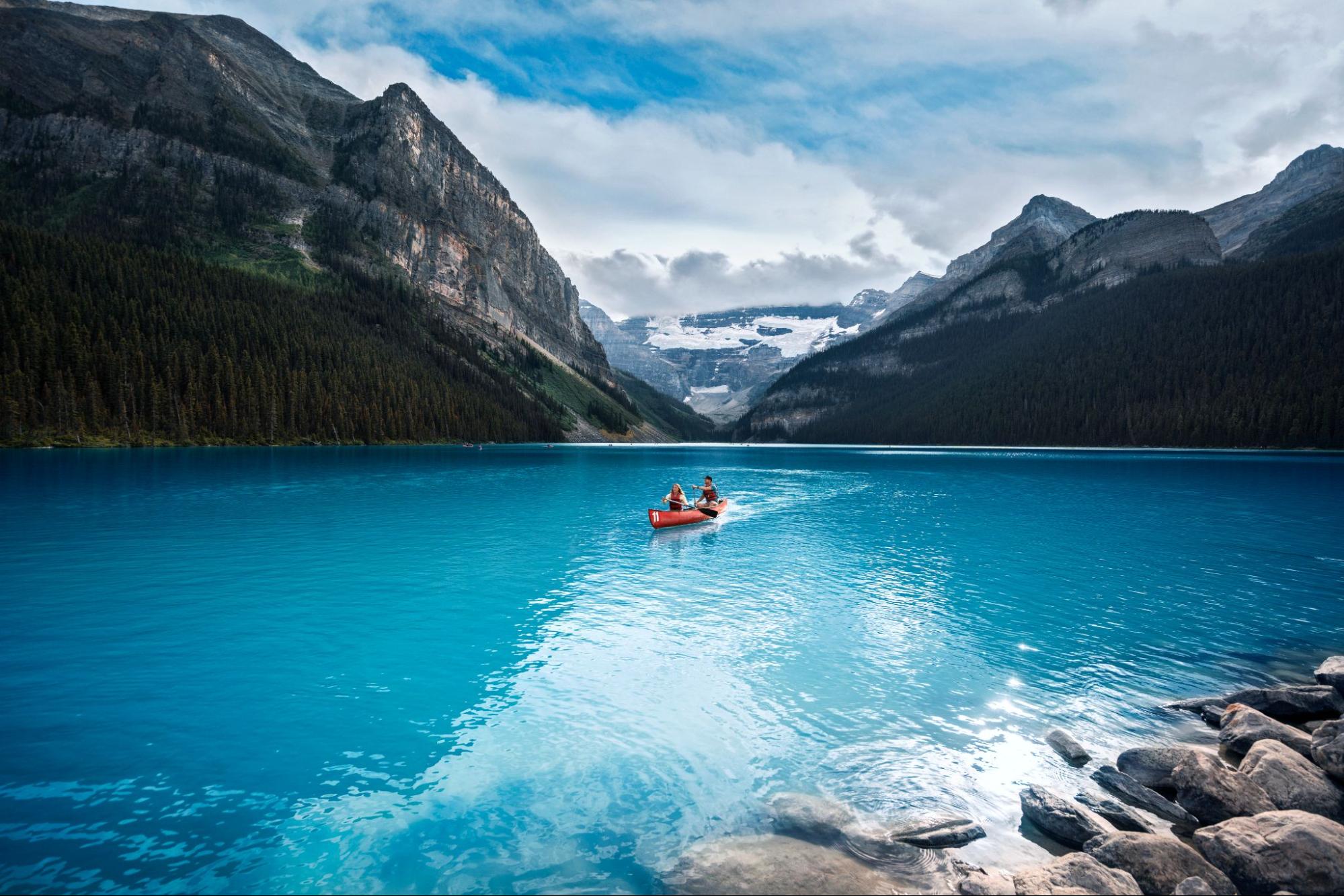
1. Lake Louise: Best for an Iconic Canoe Trip
Lake Louise is one of the most recognizable places in Banff National Park. Its turquoise water, mountain setting and view toward Victoria Glacier make it a natural first stop for anyone visiting the Canadian Rockies.
Walk the mostly level lakeshore trail to see the lake from different angles, or rent a canoe from the boathouse for a classic Rockies experience. The glacier-fed water remains extremely cold throughout summer, so this lake is much better suited to sightseeing and paddling than swimming.
Getting there requires some planning. Parking at the lakeshore is limited, and Parks Canada recommends reserving its shuttle from the Lake Louise Park and Ride. The 2026 shuttle season for Lake Louise runs from May 15 to October 12. Read our Complete Guide to Visiting Moraine Lake and Lake Louise for more information.
Planning tip: Reserve transportation before building the rest of your itinerary. Without a confirmed shuttle, public-transit or commercial-operator booking, you may not find parking at the lakeshore.
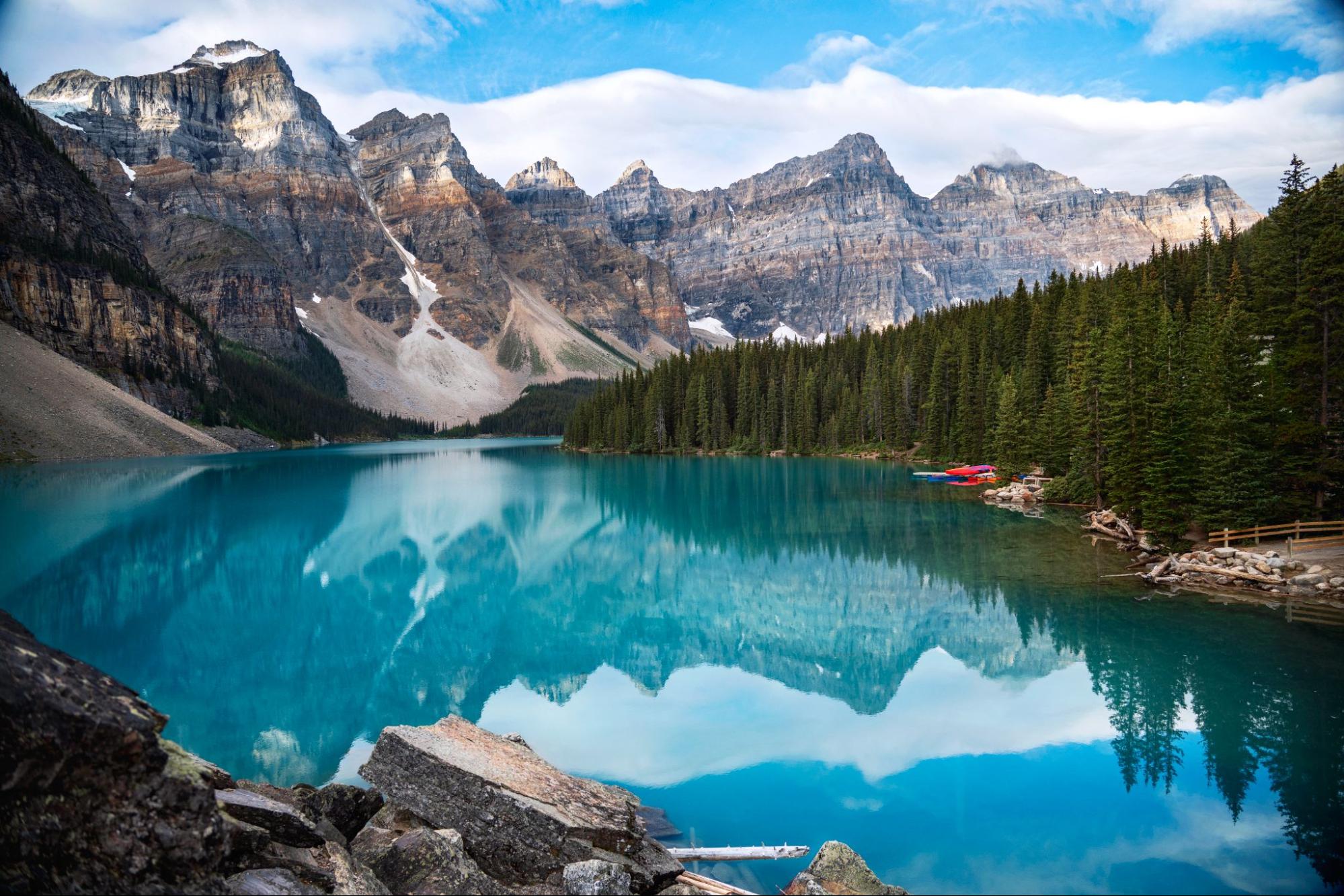
2. Moraine Lake: Best for Famous Mountain Views
Surrounded by the Valley of the Ten Peaks, Moraine Lake is another essential Banff National Park experience.
Start with the short Rockpile Trail for the famous elevated view, then walk beside the lake or rent a canoe when seasonal operations are available. Personal vehicles are not permitted on Moraine Lake Road, so visitors must arrive by shuttle, public transit or an approved commercial operator.
Parks Canada’s 2026 Moraine Lake shuttle operates from June 1 to October 12, weather permitting. One shuttle reservation includes access to both Moraine Lake and Lake Louise through the Lake Connector, making it possible to see both in one day.
Moraine Lake is best for sightseeing, walking and canoeing rather than swimming. The water is exceptionally cold, and services at the lake are limited.
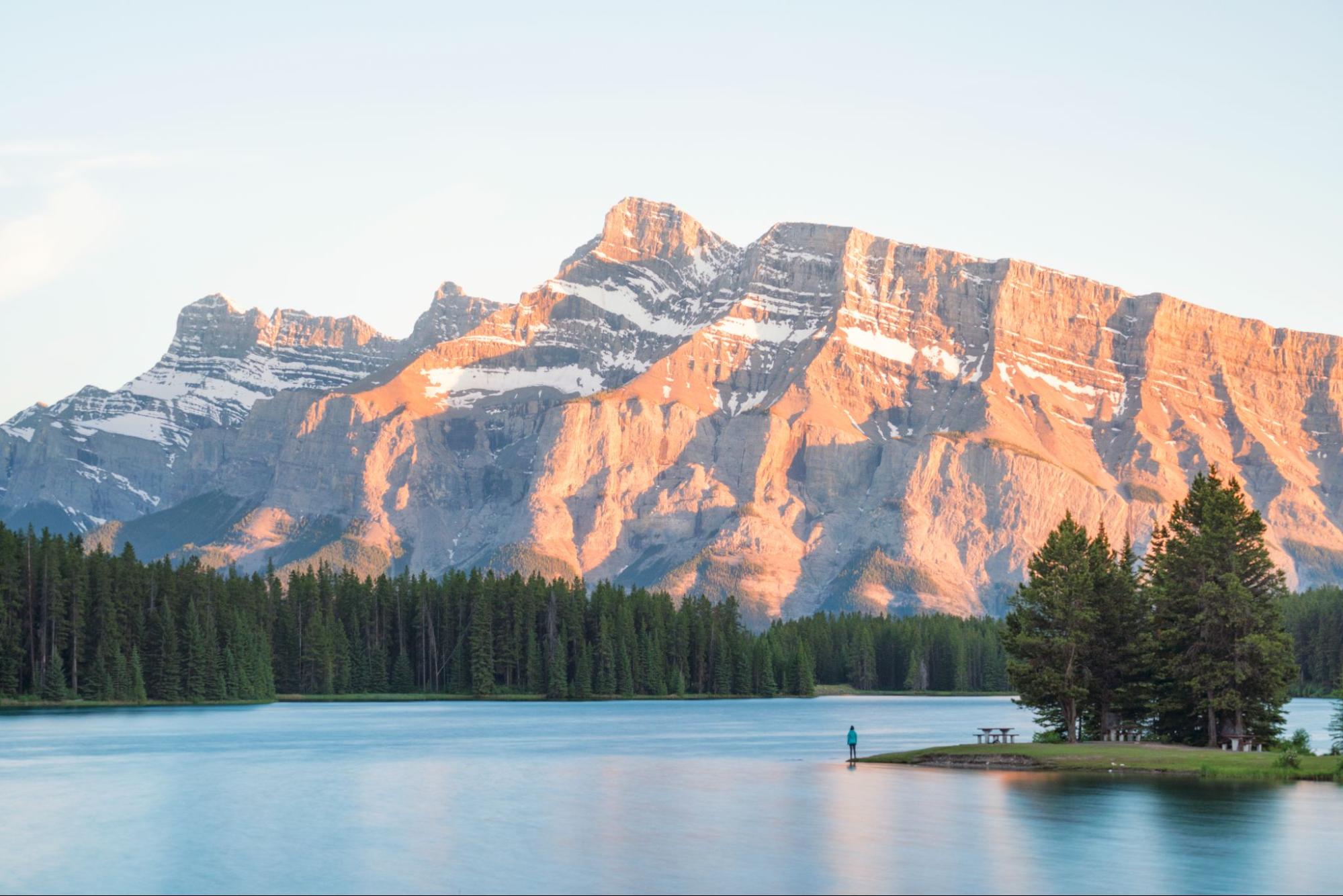
3. Two Jack Lake: Best for Paddling and Picnics
A short drive from the town of Banff, Two Jack Lake is an easy place to spend a slower summer morning.
The shoreline offers open views toward Mount Rundle, along with picnic areas and accessible places to enjoy the water. When conditions are calm, the lake is well suited to canoes, kayaks and paddleboards.
Two Jack Lake is included in Banff National Park’s Water Recreation Zone. Paddling is allowed with a valid self-certification permit, provided equipment meets Parks Canada’s Clean, Drain, Dry requirements.
Although some visitors take a quick dip, the water stays cold. Wear a properly fitted personal flotation device while paddling, remain close to shore if you are inexperienced and watch for changing afternoon winds.
Planning tip: Arrive early on sunny weekends, when the limited parking and picnic areas can fill quickly.
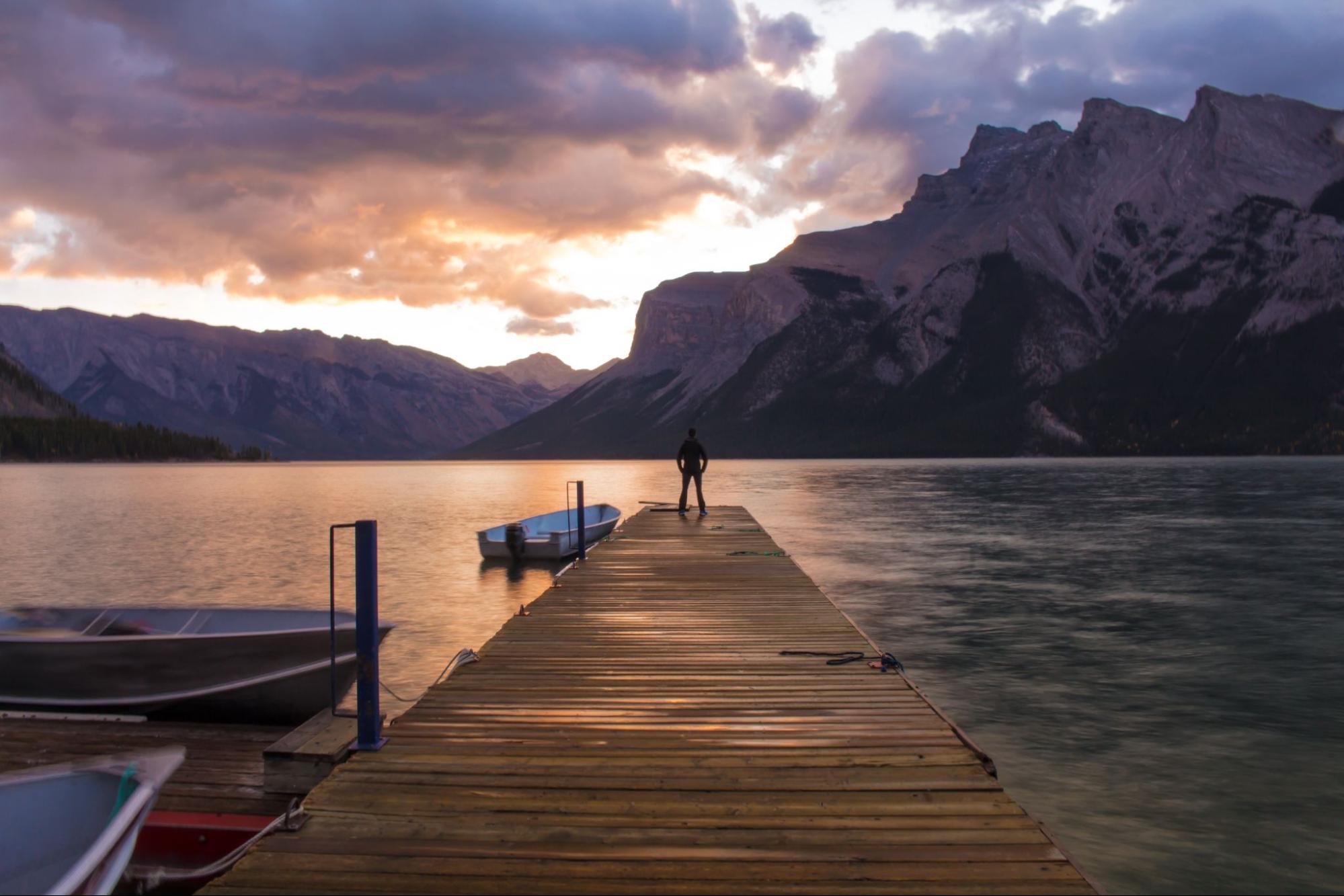
4. Lake Minnewanka: Best for Boat Tours and Big Views
Lake Minnewanka is the largest lake in Banff National Park, stretching through a dramatic mountain valley northeast of Banff.
It is a strong choice for travellers who want to experience the water without bringing paddling equipment. Walk along the shore, stop for a picnic or book a sightseeing cruise for a different perspective on the surrounding landscape.
Watercraft restrictions at Lake Minnewanka are stricter than at many nearby lakes. In 2026, personal watercraft, waders and wading boots are prohibited. Exceptions include inspected motorboats and rental watercraft that remain at the lake.
Pair Lake Minnewanka with nearby Two Jack Lake for an easy half-day trip from Banff.
5. Quarry Lake: Best for a Canmore Swim Day
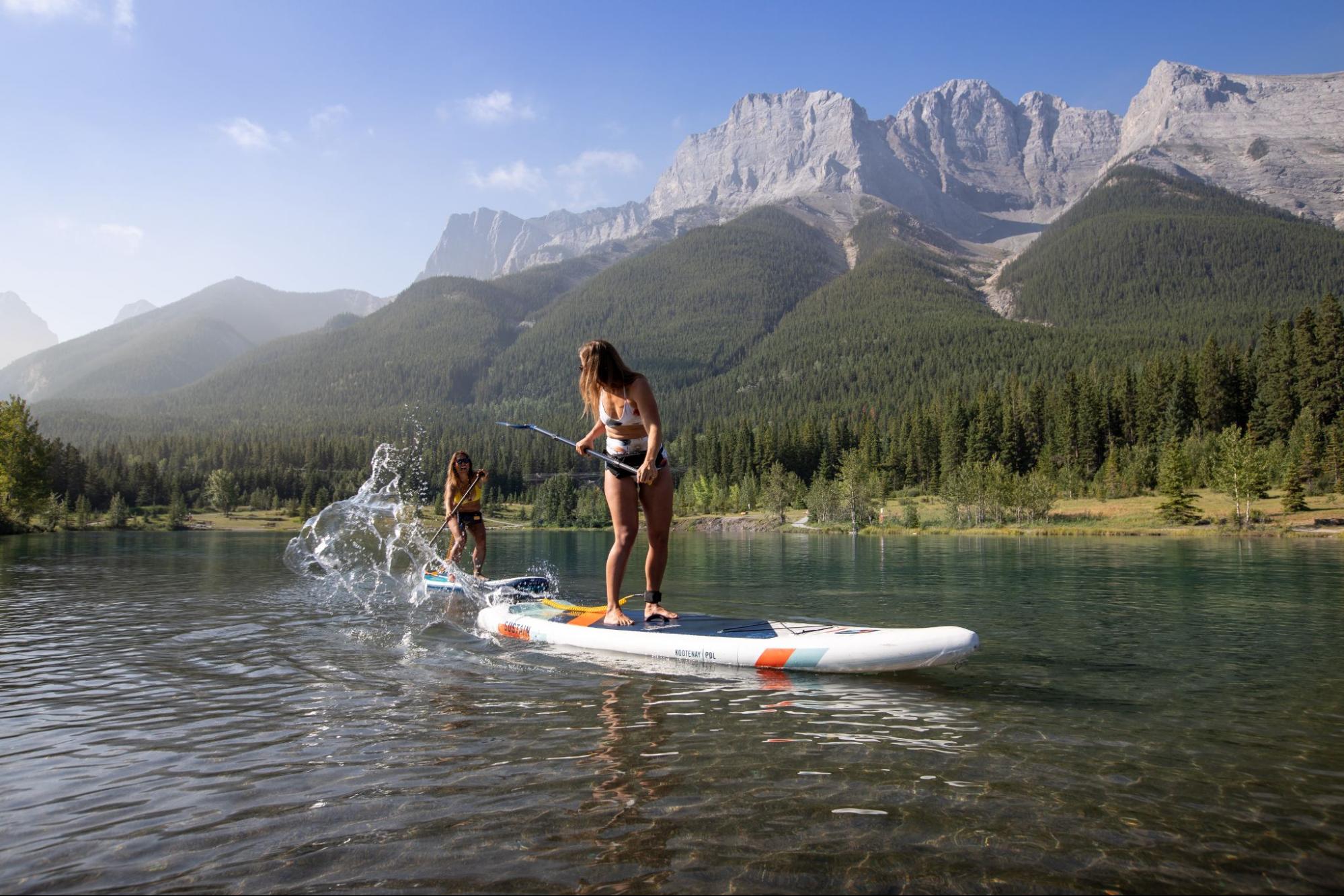
Quarry Lake is one of Canmore’s favourite places for a warm summer afternoon.
Located close to town, it offers mountain views, picnic space, a short walking loop and straightforward access to the water. It is particularly convenient for families or anyone who wants a relaxed lake day without driving farther into Banff National Park.
The swimming area is unsupervised, so enter the water within your abilities and keep a close eye on children. Pack a picnic, sunscreen and warm clothing, as temperatures can shift quickly even on sunny days.
Quarry Lake can become busy during peak periods. Consider taking local transit, cycling or visiting earlier in the morning to avoid the busiest part of the day.
6. Herbert Lake: Best for a Quieter Scenic Stop
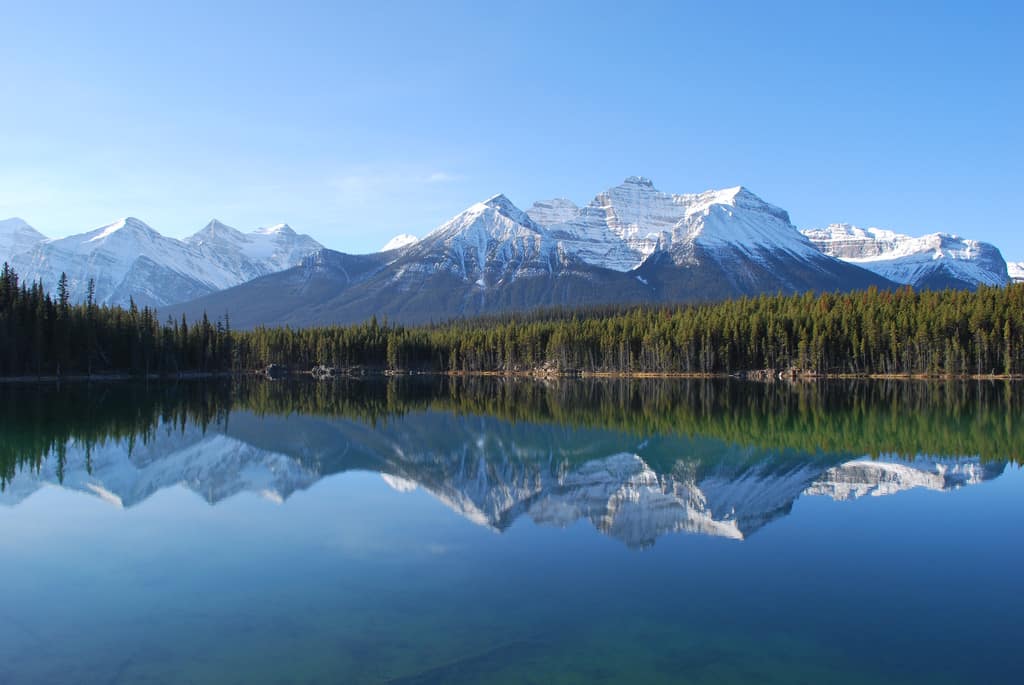
Herbert Lake sits just off the Icefields Parkway north of Lake Louise. Because many travellers continue toward the parkway’s larger attractions, it can feel quieter than the better-known lakes nearby.
On a calm morning, the surrounding forest and peaks reflect across the water, making Herbert Lake a rewarding stop for photography, a picnic or a short break during a longer drive.
Swimming and paddling conditions vary, and the shoreline is unsupervised. Anyone bringing water-related equipment must follow Banff National Park’s current Clean, Drain, Dry and self-certification requirements.
Treat Herbert Lake as an addition to an Icefields Parkway trip rather than a full-day destination. Parking and shoreline space are limited.
7. Barrier Lake: Best Kept Local’s Secret
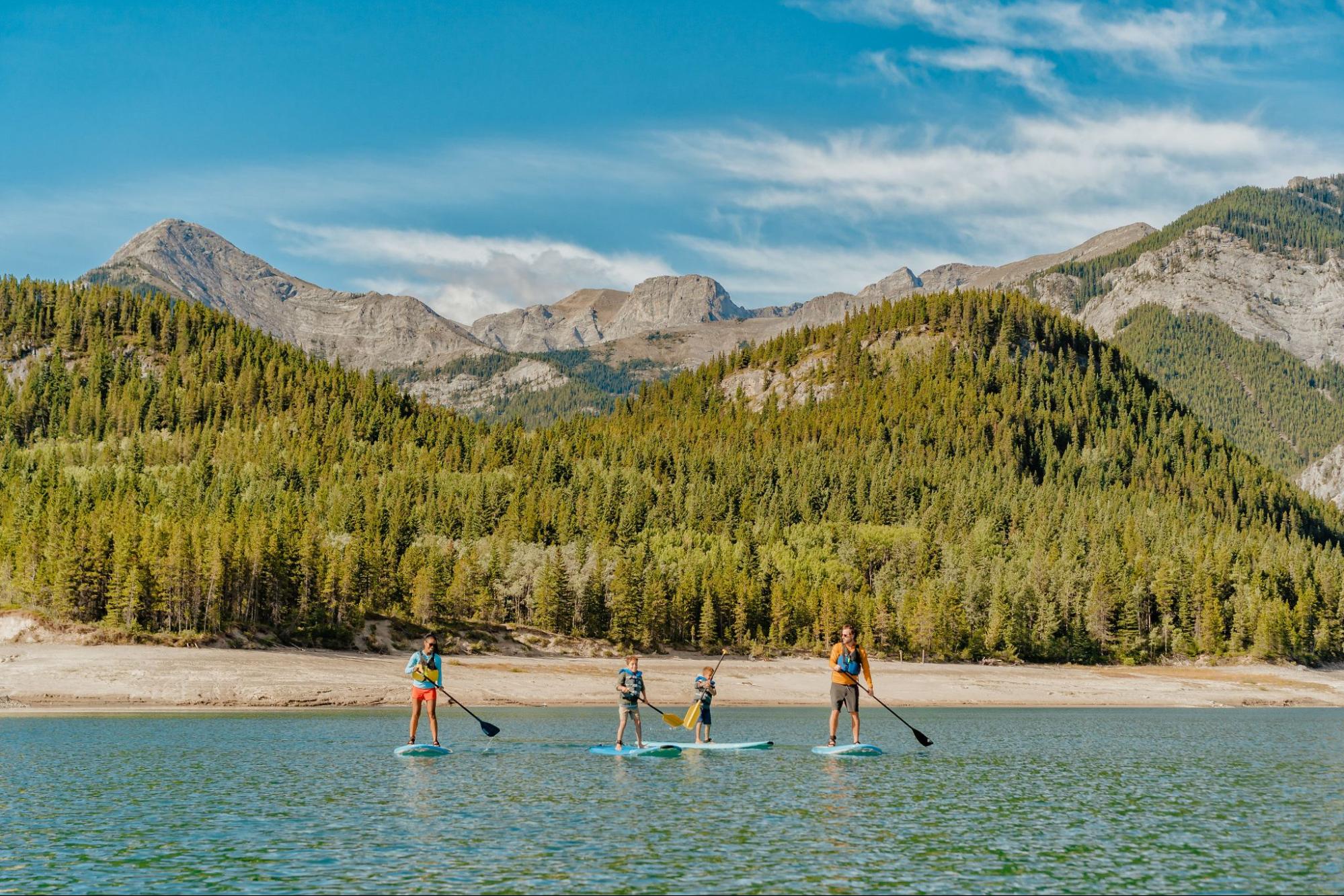
Located along Highway 40 in Kananaskis Country, Barrier Lake is a scenic alternative to the busier lakes in Banff National Park. Its broad mountain views and easy access from Canmore make it a great choice for a quieter picnic, shoreline walk or morning on the water.
Canoes, kayaks and paddleboards can be launched from the day-use area, but conditions can change quickly. Barrier Lake is a hydroelectric reservoir, so water levels and shoreline access vary, and strong winds can make paddling difficult. Stay close to shore, wear a personal flotation device and aim for earlier in the day when conditions are often calmer.
A valid Kananaskis Conservation Pass is required for vehicles parked in the area. Check Alberta Parks advisories before leaving Canmore, especially when weather or seasonal conditions may affect access.
Planning tip: Pair Barrier Lake with a drive through Kananaskis or a nearby hike for an easy day trip from Canmore.
Practical Tips for Banff and Canmore Lake Days
Mountain weather changes quickly, so bring sunscreen, rain protection and a warm layer, even when the forecast looks clear. Arrive early for easier parking and calmer paddling conditions.
Always wear a personal flotation device, carry warm, dry clothing in a waterproof bag and avoid transferring wet equipment directly between lakes.
Before launching a canoe, kayak or paddleboard in Banff National Park, confirm that the lake permits your activity. Clean, drain and dry all equipment thoroughly, and complete any required permit or inspection process. Rules vary by waterbody and may change in response to environmental conditions. Review Banff’s Water Activity Restrictions prior to departure.
Make Basecamp Your Home Between Lake Days
Staying in Canmore makes it easy to explore both the town’s local swimming spots and Banff National Park’s iconic lakes. Spend one afternoon at Quarry Lake, then plan a day trip to Lake Louise, Moraine Lake or the Lake Minnewanka area.
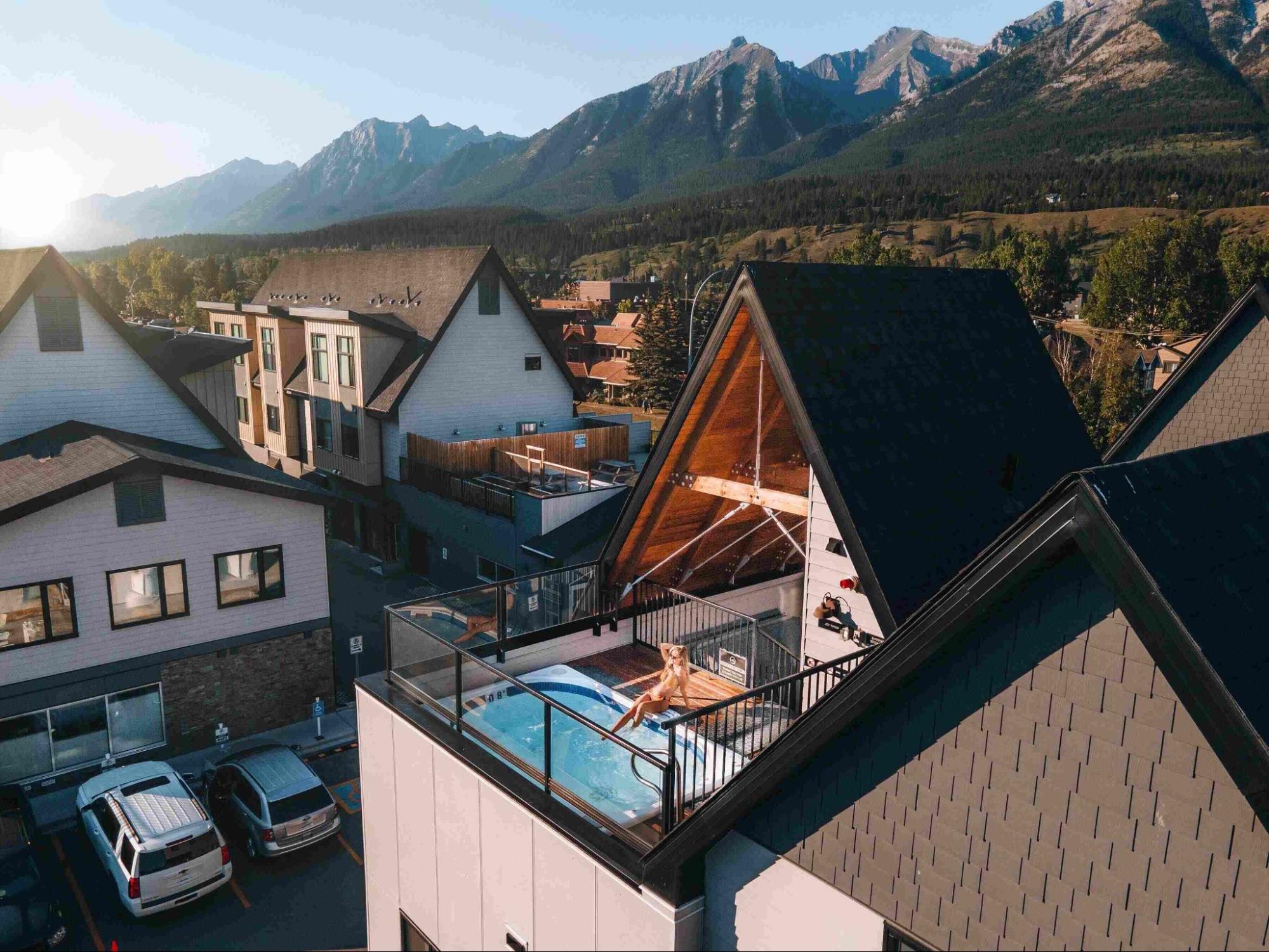
Basecamp Resorts offers apartment-style accommodations with kitchens, living space and room to settle in after a full day outside.
This summer, guests can also explore Banff National Park during the Canada Strong Pass period. Parks Canada admission is free from June 19 through September 7, 2026. Transportation, parking, accommodation and activity charges are not included.
Book your summer Basecamp stay and enjoy free national park entry while exploring the best lakes near Banff and Canmore.